

In our latest blog we're sitting down with three artist's who have contributed to the sounds of Current, Evoke and more—Sylph, Bop, and Trinist to ask them about process, perspective, and where their sound is headed next.
Read on to learn more about what shapes their approach to composition, sound design, and the creative decision making that defines their work.
Sylph
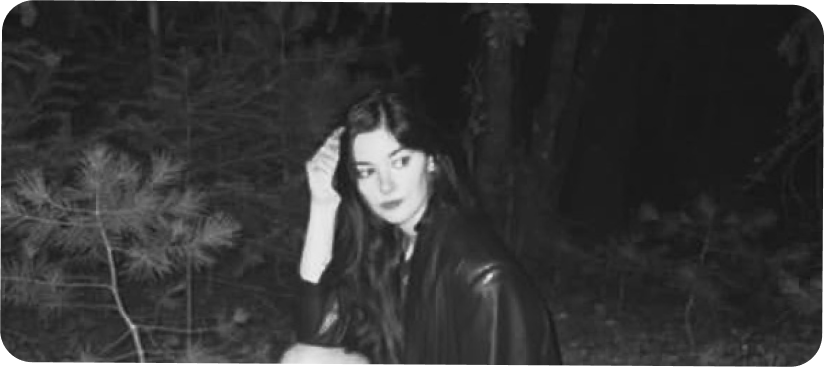
Sylph is the musical world of Emily Thaler, a producer and composer whose work moves between beauty and shadow. Rooted in psybient sound design, her music blends ambient atmosphere with drum & bass and halftime energy, shifting from soft, hypnotic tension to deep, physical low-end pressure.
MA: Your productions move between very spacious atmospheres and heavy rhythmic sections. When you start a new track, what usually comes first for you — sound design, rhythm, or a specific mood you’re trying to capture?
Sylph: It depends on my mood. I often do sound design sessions separately, recording as much as possible to audio and saving to designated folders. Having sounds pre-printed to audio I can scroll through and drag in helps me to discover ideas quickly. But sometimes a sound design session will turn into a workflow session.
Usually though I start with a drum loop, and build out my initial 16-bar sketch from there. Along with midbass movement, I’ll bring in vocal samples or interesting melodies and synth stabs early in this process, and once I’m flowing the basses, melodies and more atmospheric sounds speak together to build the idea forward. Then I’ll work backwards, taking away drums and mids to create breakdowns and intros. But sometimes this is reversed, and I’ll start with ambience and a track idea emerges from that process. When I do this I like to work off grid, and sometimes I’ll watch some sort of visual on the side to inspire. I treat this as though I’m making a film score or ambient piece. I’m rarely thinking of a specific mood consciously, but I know it when I find it.
In general I find it helpful to have different ways to approach the process, because it gives room for the unexpected. The best ideas are surprising.
MA: Your music often feels like it exists between beauty and darkness, restraint and intensity. Is that contrast something you intentionally design into your work, or does it emerge naturally for you as you build a track?
Sylph: I think it emerges naturally, through the process of playing and experimenting. I gravitate towards polarity and juxtaposition, so instinctively look for ways to fit together opposing elements- sound and silence, light and dark, etc. It’s kind of a puzzle that I’m simultaneously creating and solving. When I’m inside it and absorbed in the process, rather than trying to impose it or think it into existence, the music comes out best.
MA: Your sound has evolved from psybient textures into drum & bass and halftime. As you look ahead, what directions or ideas are you most excited to explore next with the Sylph project
Sylph: So many things! I’m only getting deeper into my love of drum & bass and exploring my unique sound within the genre. Some of that will be in my next EP, which is my most personal project yet. I also have a halftime tune that I absolutely love coming out soon, as a single off that EP. I’ve also been experimenting with some breaks and dubstep that I’m excited about.
In general, it feels like my sound is becoming more confident and articulate, and I’ve been exploring a more diverse range of vibes in the studio: A deeper, restrained side, an aggressive, feral side, and a lush, emotive side. So much of it is centered around vocals, and going forward I’m excited to branch out into using my own voice more and working with other vocalists. But I’m mostly excited to just continue sharing these songs, expressing myself and bringing people together through music and movement.
If you want to checkout more of her music, and support Sylph directly click here.
Bop
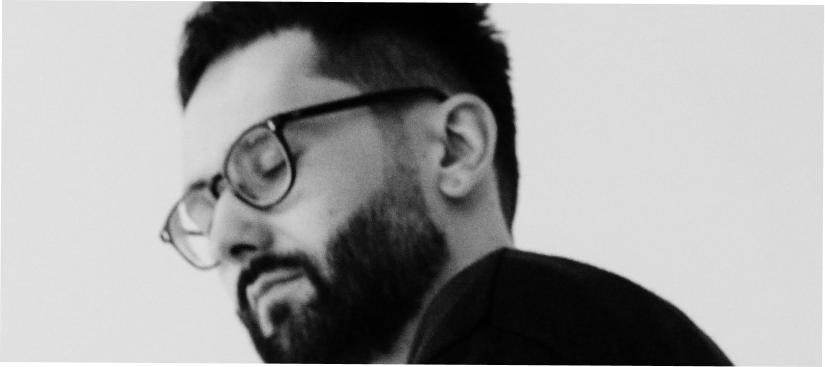
Bop’s music is built on precision, texture, and movement. Through detailed drum & bass production and a strong instinct for atmosphere, Alex creates tracks that feel immersive and controlled, balancing subtle beauty with rhythmic drive in a way that feels sleek, transportive, and unmistakably his own.
MA: Your tracks often balance intricate rhythmic detail with airy, atmospheric space. When you begin a new piece, what usually leads the process for you: drums and groove, sound design, or a particular mood you want the track to hold?
Bop: It depends on the vibe I want to dive into. If I’m going for something more clubby and rhythmical, I usually start with drums. If I want something more atmospheric and suited for listening, I’ll open a synth and start tweaking knobs from scratch until something inspiring comes up.
Recently, I’ve also started doing separate sessions where I just vibe with a synth and record it to tape, leave it for a while, and then come back to it later when I need samples or something to spark ideas.
MA: A lot of your work sits in a very distinct space between precision and emotion. There’s this technical, micro-detailed side to it, but also a lot of warmth and introspection. Is that contrast something you consciously build into your music, or does it happen naturally as you work?
Bop: I’ve always been a big fan of IDM and the glitchy drums, clicks, cuts. I think my love for micro-detailed percussion comes from that aesthetic, and over time it’s just become a big part of my sound. The warmth and introspection come from what I personally look for when listening to music, so I naturally gravitate towards that mood when I produce.
I think when you’re starting out it’s great to try loads of different styles. But once you figure out what actually clicks, it’s worth focusing on that and pushing it further. Having some direction actually helps you experiment more within your own sound and find something unique that really sounds like you.
MA: Between your solo work, your connection to Hospital, and the world you’ve built through Microfunk Music, you’ve helped shape a very recognizable lane in drum & bass. Looking ahead, what ideas or directions are you most excited to explore next, either in your own productions or through the label?
Bop: As I’ve started producing more across different tempos, I’ve been really into blending genres even more lately. That’s where I see things going, less about tempo and more about mood, sound design, and experimenting, but still keeping a recognisable sound.
I’ve also really been enjoying releasing music on cassette tapes, and I’m looking forward to bringing more of that to the label. It’s a pretty unique format, gives a lot of flexibility, and also helps listeners build a more meaningful connection with the music through physical media. I truly think more artists should try it.
Click here to find the latest in Bop's catalogue and support him directly.
Trinist
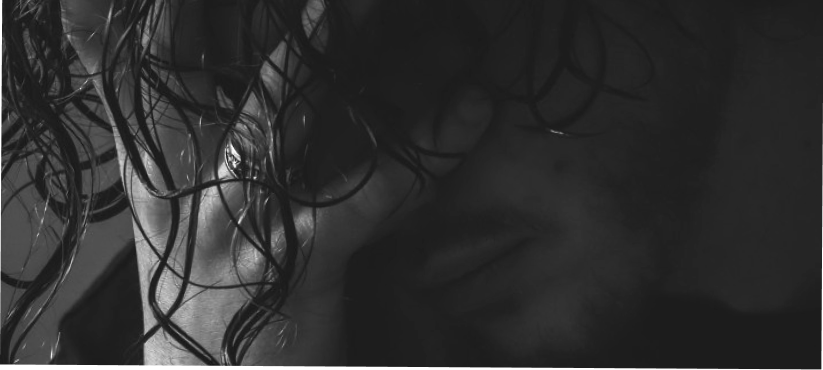
Under the name Trinist, Joshua Meur creates music that feels emotionally charged and physically immediate. His sound blends melodic sensitivity with hard-edged drum & bass, moving between introspective atmosphere and surging low-end pressure. The result is a style that feels cinematic, human, and built to hit with both clarity and force.
MA: Your music hits with a lot of force, but there’s also a real sense of space and detail in the way your tracks unfold. When you start something new, what usually leads the process for you: sound design, rhythm, or a specific feeling you want the track to carry?
Trinist: I want all my tracks to have a solid coherence between a specific feeling together with the rhythm and type of sound I design (and its timbre/mix). It needs to be like a simple complexity where you can have the best of both. So most of the time I either start with a chord progression that will direct me into the type of track. And then once I have a direction, I create everything I need for the track to embody this specific theme. And it always needs to hit hard haha, even if it's cute and melodic. Music needs to "wow" you. And I know that's possible in infinite ways, but I love to make an immersive track that also builds towards a high energy climax. For a full tension-release balance. So in the end the theme will give me my sense of direction and will give a purpose to the specific sounds I create.
MA: A lot of your work feels like it lives in the tension between intensity and control. There’s aggression in the sound, but also something very precise and atmospheric underneath it. Is that balance something you consciously shape, or does it emerge naturally as you build a track?
Trinist: A lot of the time I do love to use a lot of full-sound / no-sound contrast. This dry vacuum is where I want to be the most. But this specific area creates an opportunity to give extra power and control to any form of ambience/atmosphere. And the playfulness between those two is a real key-factor in my music. It gives the brain a whole rollercoaster of contrasts in a playful way. Something aggressive and dry will hit harder after something beautiful and atmospheric, and something soft, sweet and cute will hit extra euphoric after a whole impact of heaviness. But there always needs to be a balance in the intensity of both worlds, almost all tension and release should be equal in the end. It's been a puzzle all my life, but it's insanely fun to keep figuring out new puzzle pieces to create and use.
MA: Your sound already pulls from drum & bass, halftime, and other bass-driven styles in a way that feels very fluid. As you look ahead, what directions are you most excited to explore next with the Trinist project?
Trinist: Okay so right now there is a lot of new stuff coming that's very different from what I did so far, but still very recognizable as a form of the Trinist-project experience. I felt like I was quite stuck in drum & bass (even though I released pretty fluidly across genres). There were just less fun and playful things to try out and I had to keep figuring out new stuff within the same bpm, with the same options for rhythms. And now I slowed down to a lot of 140 bpm tracks and also a lot of 120 bpm. Giving so much room for different grooves, pockets and placements. Once I started exploring this more and more I realized how much fun there is to discover within these lower bpm's. A lot of it will be more stripped back and club orientated, while still maintaining that storyline feeling throughout the track. I still want it to be a listening experience and not just a dj-tool track that's interesting for 16 bars of drop before being mixed into the next track. Like a form of danceable-groovy-escapism. So all in all I can say there is a lot coming. Also a lot of drum & bass that has been marinating on my desktop for too long that I'm now finally finishing to its full potential. But also a lot of new fun stuff that is ready to break some new boundaries within bass music. And I can't wait to share it all.
If you'd like to hear more of Trinist's music checkout their Soundcloud.
We’re grateful to Sylph, Bop, and Trinist for sharing a glimpse into their process, and we hope these conversations offer a little inspiration for your own.
Ready to try Current for yourself? Get the new Essential Bundle