

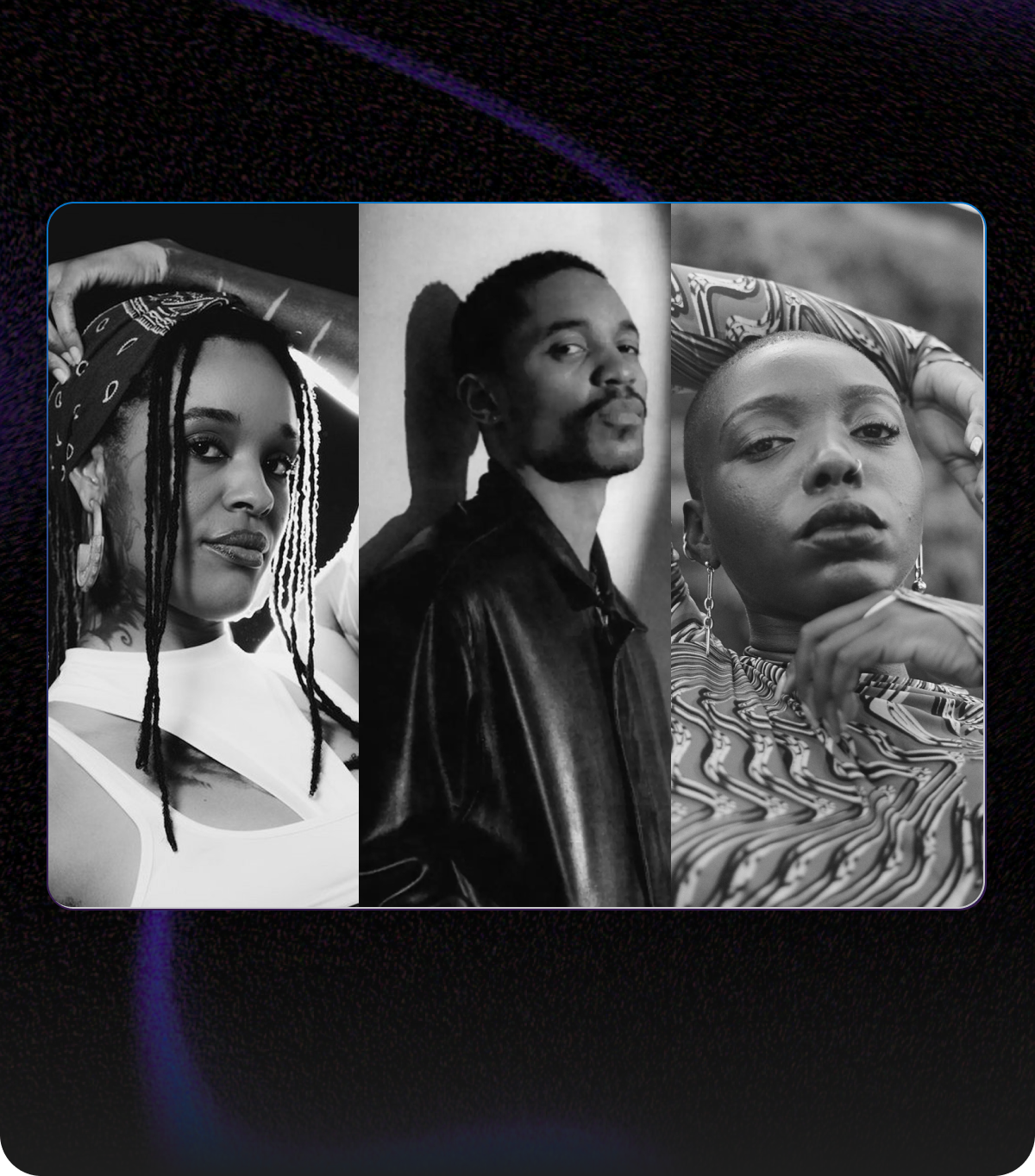
Last year, we took a look at the pioneers who built electronic music from the ground up. This year, we focus on the present. These artists and Dj's create a new legacy as they actively shape electronic music as it exists today. Pushing sound, culture, and community forward in real time.
Electronic music didn’t stop evolving when it hit the mainstream, and Black artists didn’t stop innovating once the origin stories were written. Across bass music, club, techno, jungle, and experimental electronic spaces, a new generation is redefining what electronic music sounds like.
Black Carl!

Black Carl! operates in the heavy, low-end margins of modern bass music, where dubstep, experimental bass, and sound design collide and transform into something new.
His work rejects spectacle in favor of density. These tracks feel engineered to hit your bodies before brains. With appearances at festivals like Lost Lands, Wakaan, and Bass Canyon, he represents a new wave of bass artists focused on weight, restraint, and control rather than maximalism.
Moore Kismet
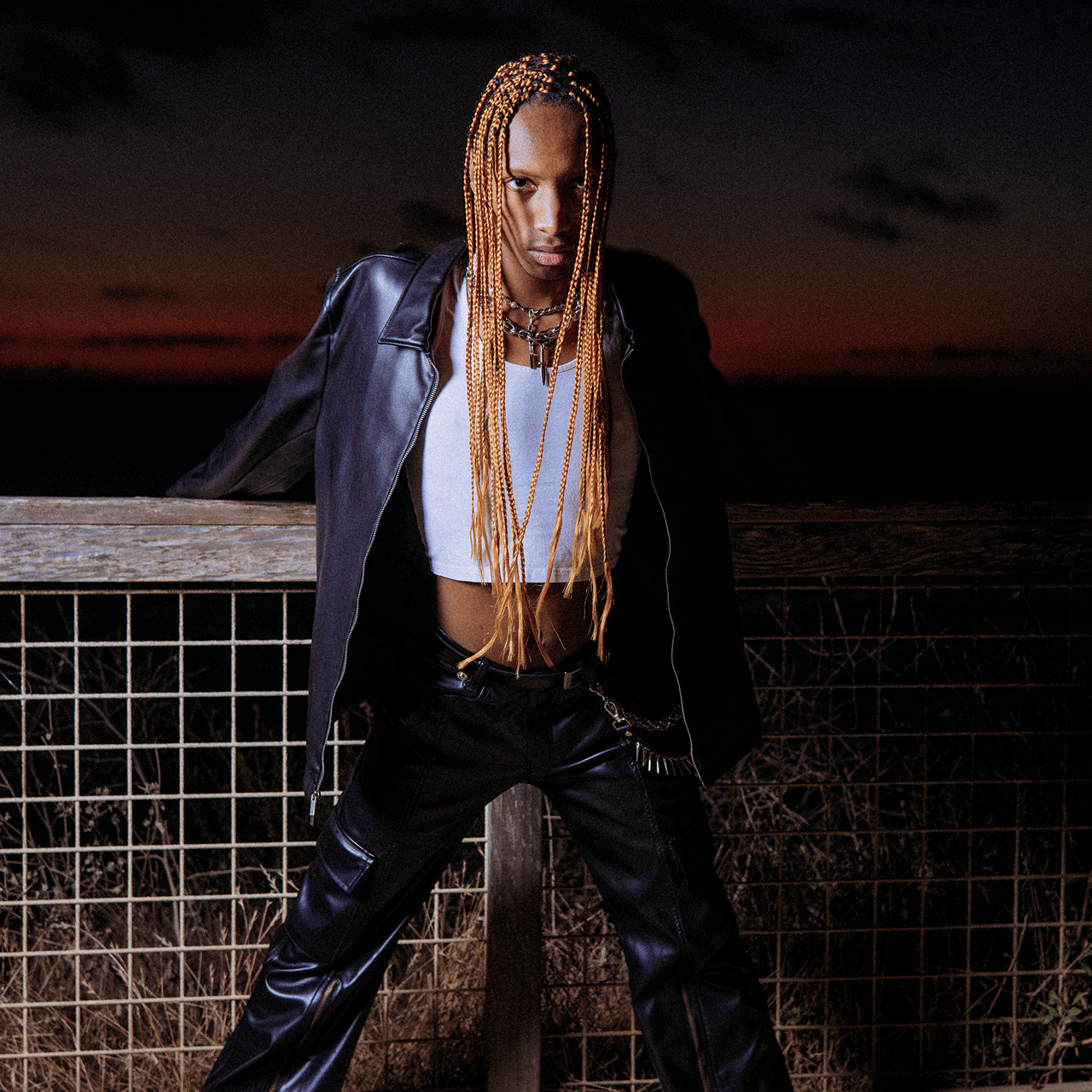
Few artists have reshaped expectations around bass music as quickly as Moore Kismet. Blending melodic bass, pop sensibility, and experimental sound design, their work feels expansive without sacrificing emotional clarity.
Festival bookings across EDC, Lollapalooza, and Bass Canyon underscore a rare crossover appeal, rooted in pure confidence. Moore Kismet’s visibility matters, but it’s the music’s openness and sincerity that’s making the impact stick.
If you'd like to read more about Moore Kismet check out our interview we did with them on the eve of their sophomore release "Saturate Your World!"
A Hundred Drums
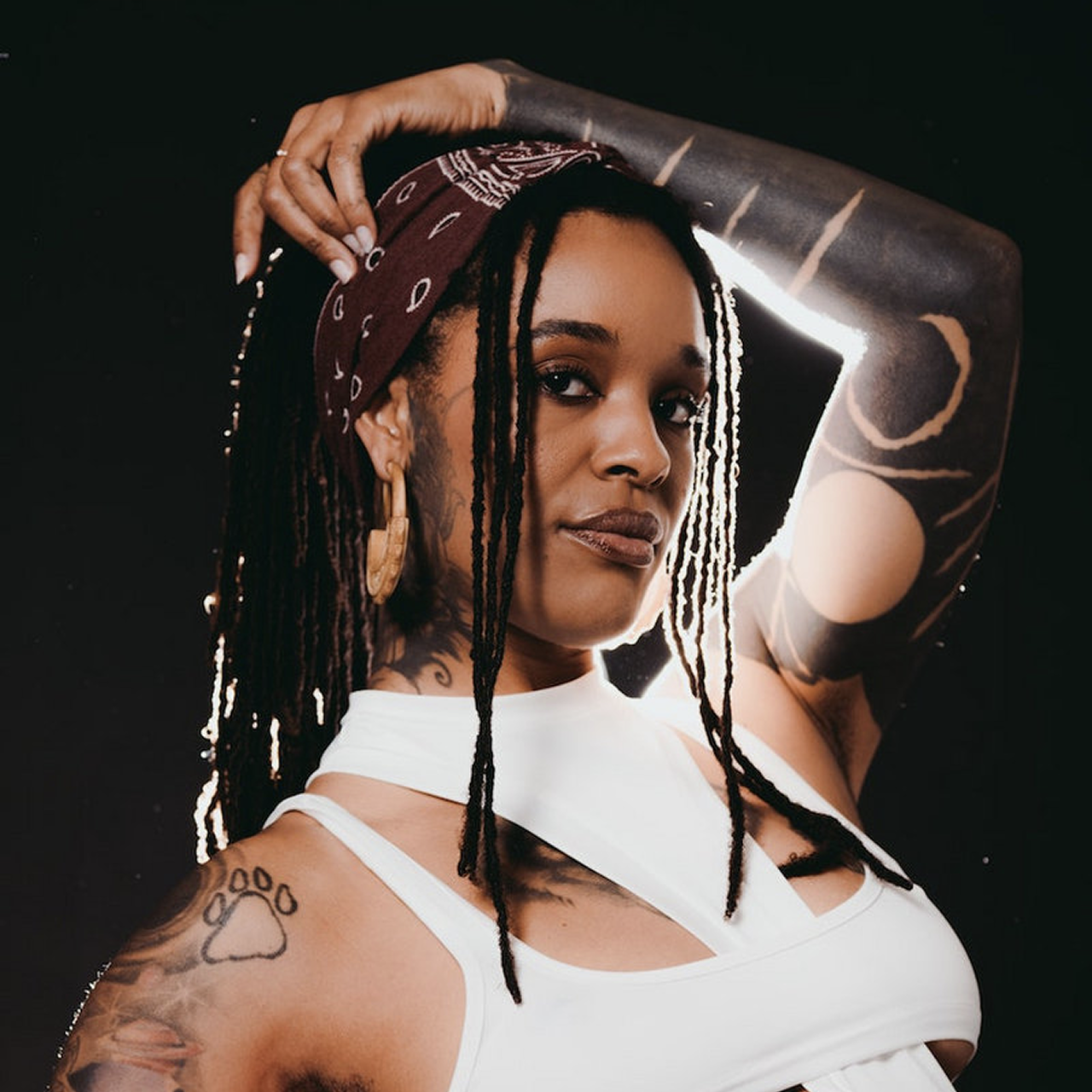
A Hundred Drums approaches bass music with restraint and intention. Her productions favoring depth, tension, and atmosphere over spectacle.
Her productions hover between dubstep, and techno, with visions of psychedelic bass. Built to move bodies while leaving space to breathe. Through both her music and her presence in the scene, she’s helping re-center bass culture around sound system weight, patience, and purpose.
1morning
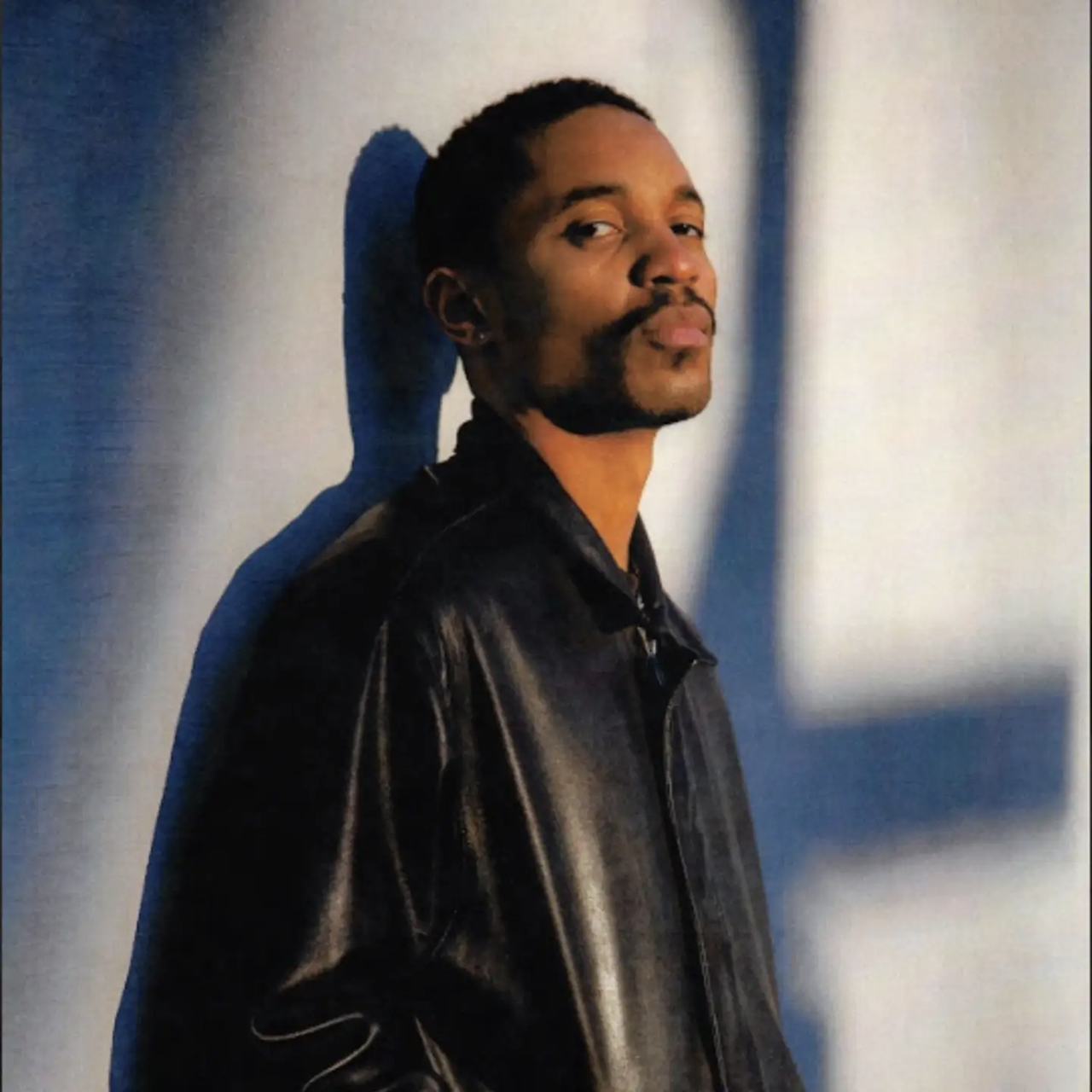
1morning approaches electronic music with a sense of intimacy that’s often missing from modern club-focused production.
His work blends shifting often sampled textures, classic rhythms, and subtle bass movement into something introspective without being passive. It’s dance music for interior spaces.
Proof that forward-thinking electronic music doesn’t need to be loud to be radical.
Dua Saleh
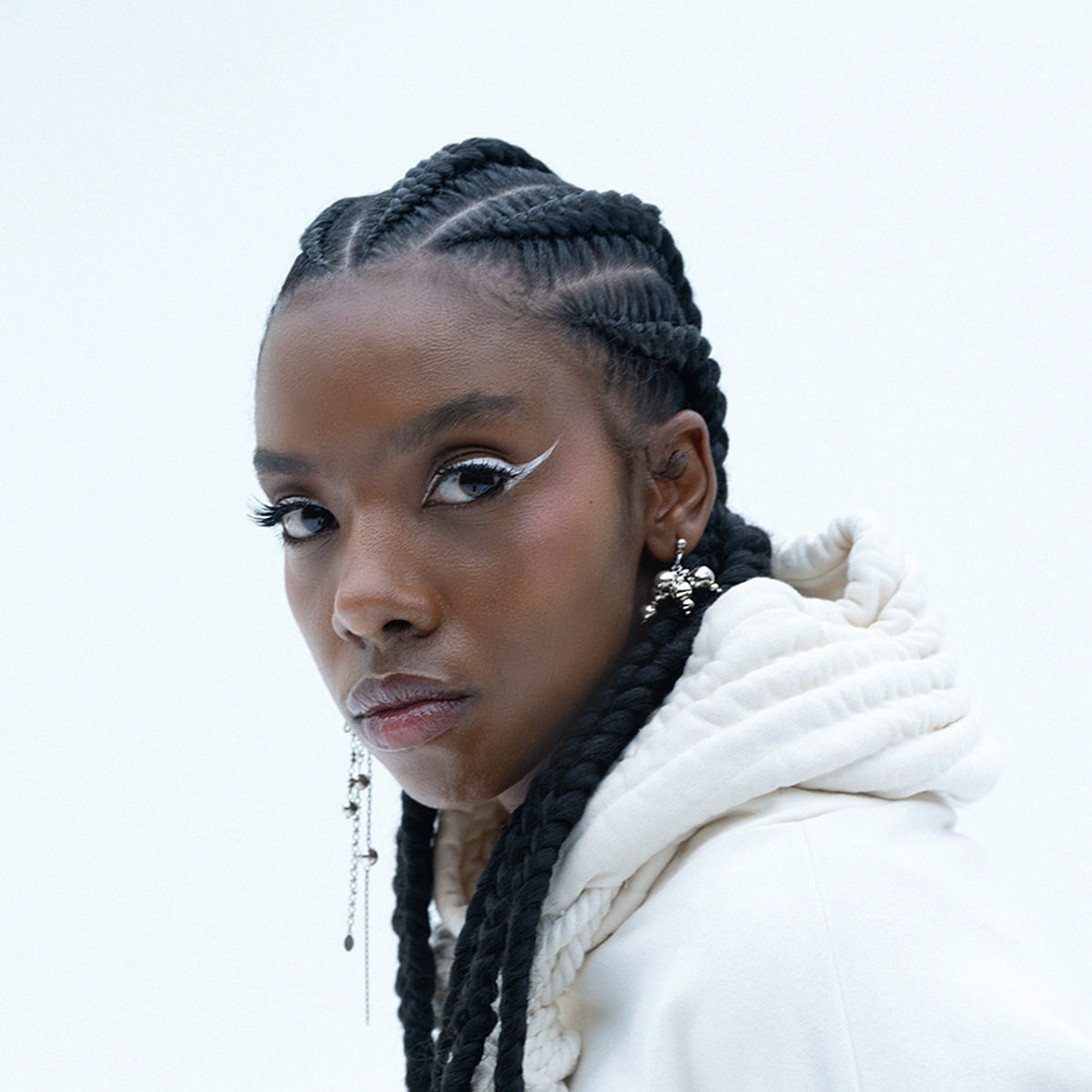
Dua Saleh operates at the edges of electronic, hip-hop, and experimental pop. Their work is emotionally direct but sonically adventurous, pulling from club-adjacent production, industrial, and stripped-back rhythm to create music that feels lived-in and urgent.
In treating sound as a vessel for identity and storytelling, Dua Saleh reminds us of the breadth of emotions electronic music can communicate.
Akua
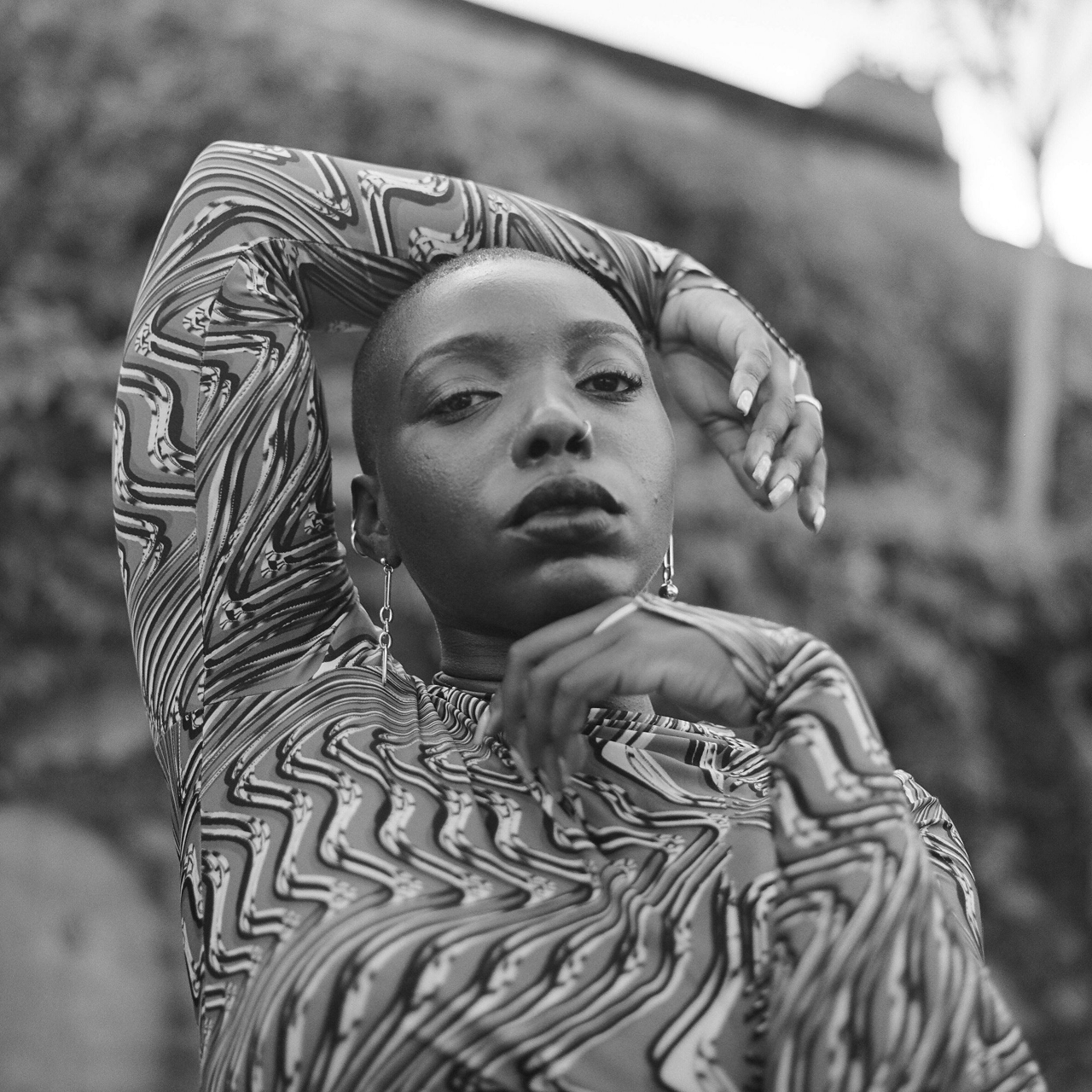
Akua’s mixes are precise, physical, and unapologetically rooted in the history of techno without sacrificing modern sounds and creations. Her sets strip the genre down to its essentials: tension, repetition, release.
In a landscape where techno is often abstracted into aesthetics, Akua’s work pulls it back into the body. She’s part of a lineage that understands techno not as mood music, but as a functional, communal force.
FKA Twigs
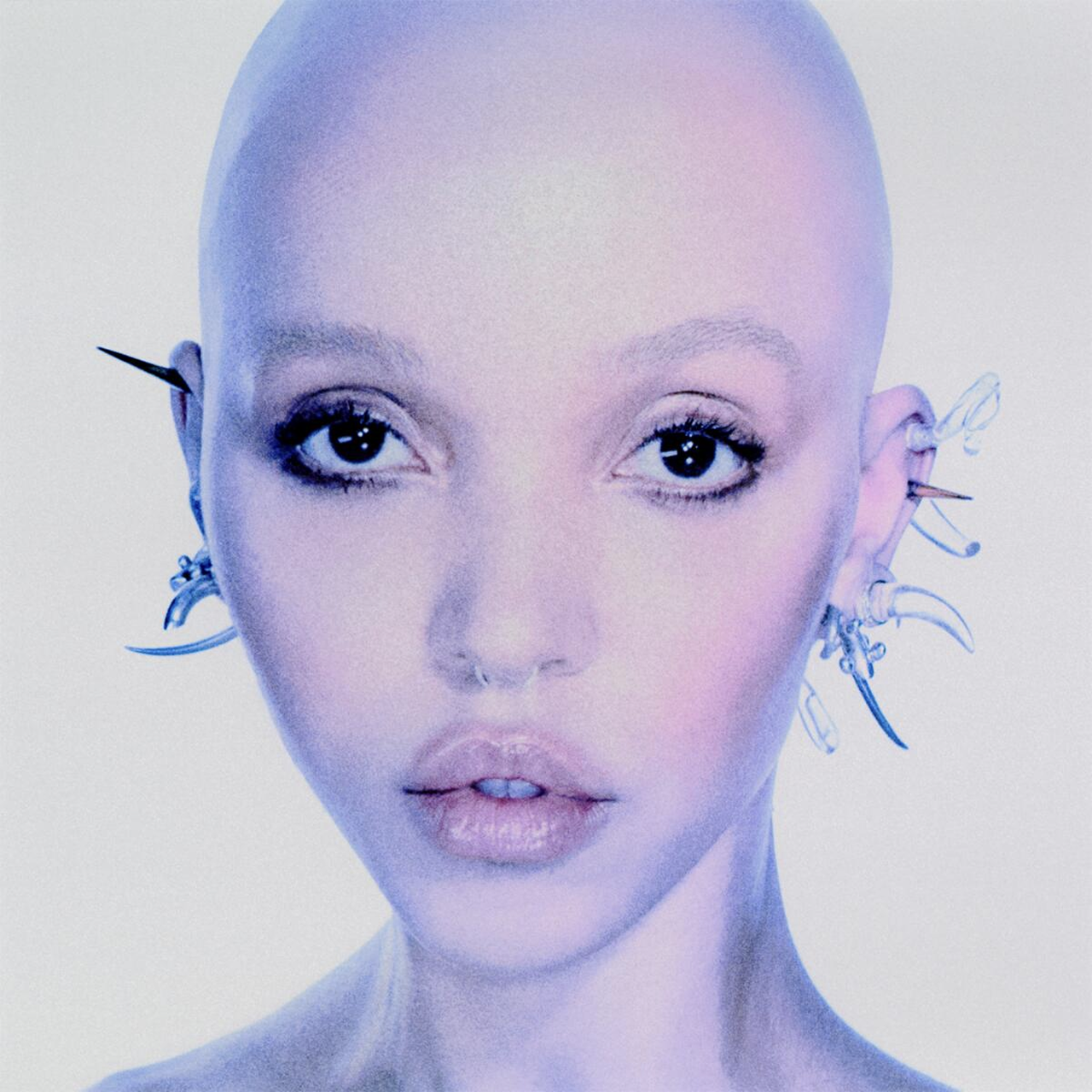
FKA twigs continues to exist just outside of category, reshaping how electronic music intersects with pop, performance, and physicality.
Her latest release Eusexua blends experimental club production, and avant-leaning sound design into something that feels intimate and confrontational at once. Whether through forward-thinking releases or boundary-pushing live performances, she’s expanded the vocabulary of electronic music by treating it as a fully embodied art form, not just a genre.
River Moon
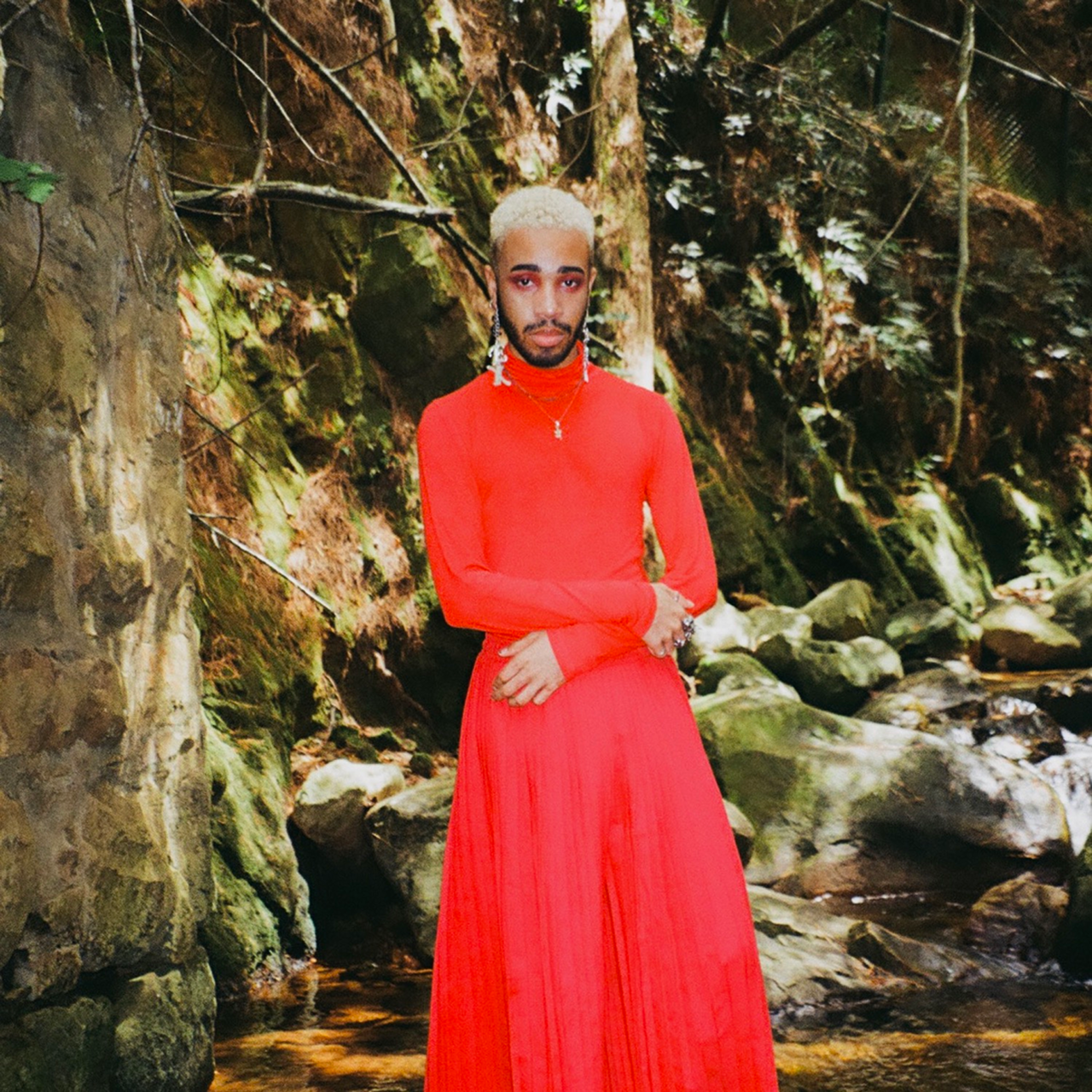
River Moon’s music leans deep into atmospheres. Working across experimental electronic and bass-adjacent spaces, their sound feels fluid—less concerned with genre than with feeling.
It’s a reminder that electronic music’s future isn’t only about volume or velocity, but about depth and emotion.
Jon Casey
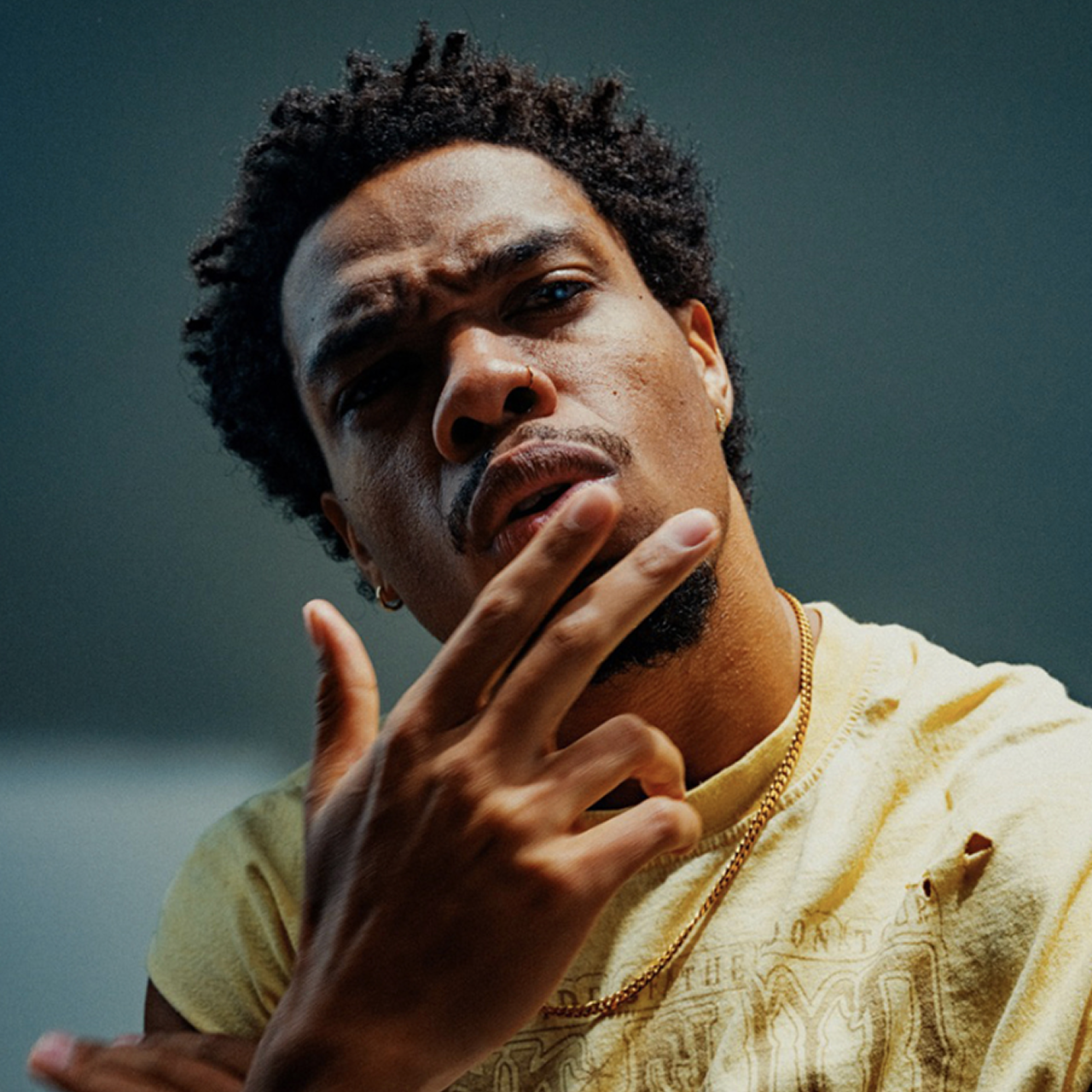
Jon Casey’s work sits at a rare crossroads: bass music informed by global club traditions, rap music, and sound-system culture.
His productions are percussive, stripped back, and deliberately physical, earning him recognition across festival circuits and DJ communities alike.
In a genre often driven by excess, Jon Casey shows the power of restraint.
DJ Nico
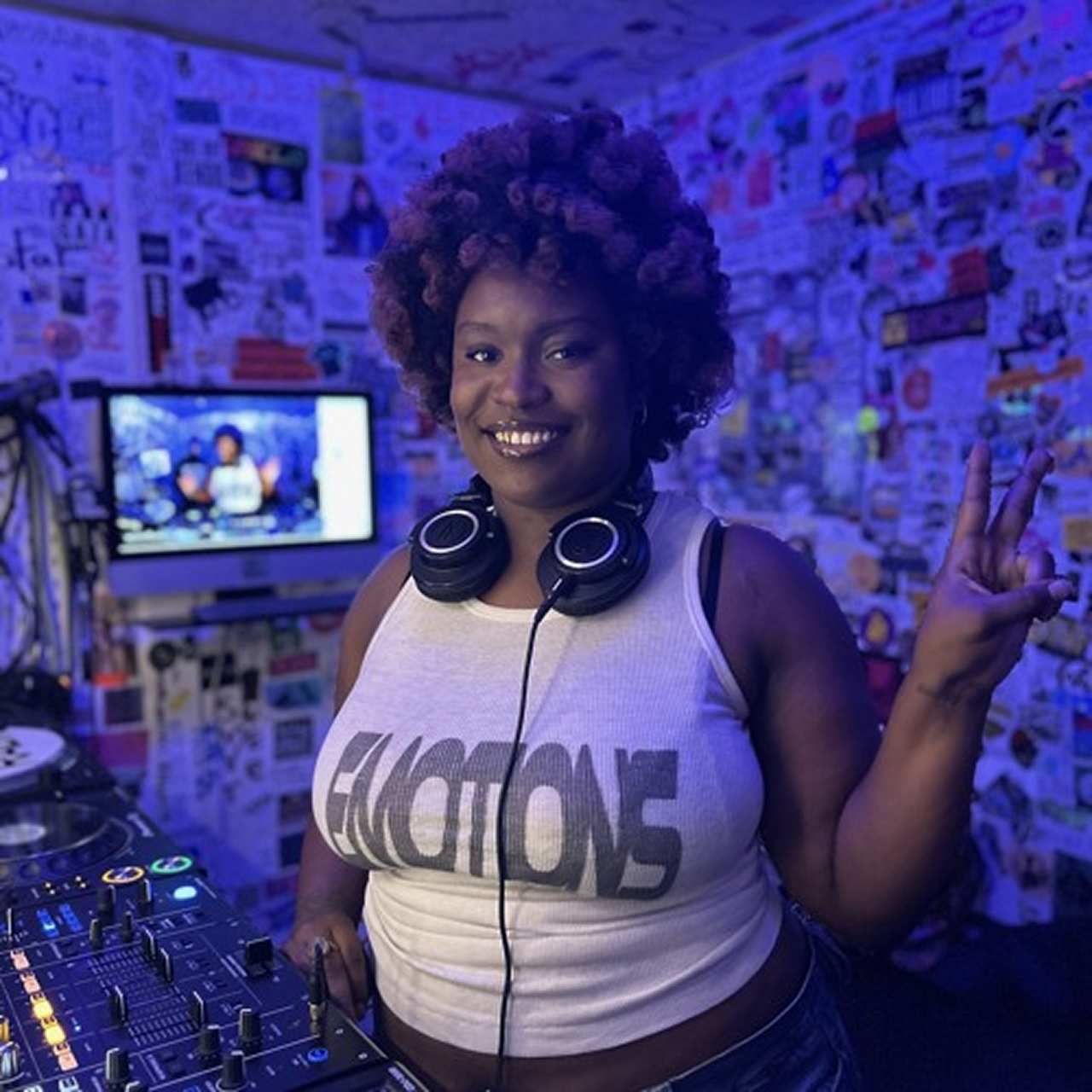
DJ Nico represents the essential connective tissue of dance music: the local DJ shaping culture from the ground up. Based in Memphis, TN, her work as a DJ and curator reinforces the idea that scenes may start online, but they flourish in communal spaces—reified through repetition, trust, and community.
Her presence is a reminder that history is still being written day by day and city by city.
CHEE
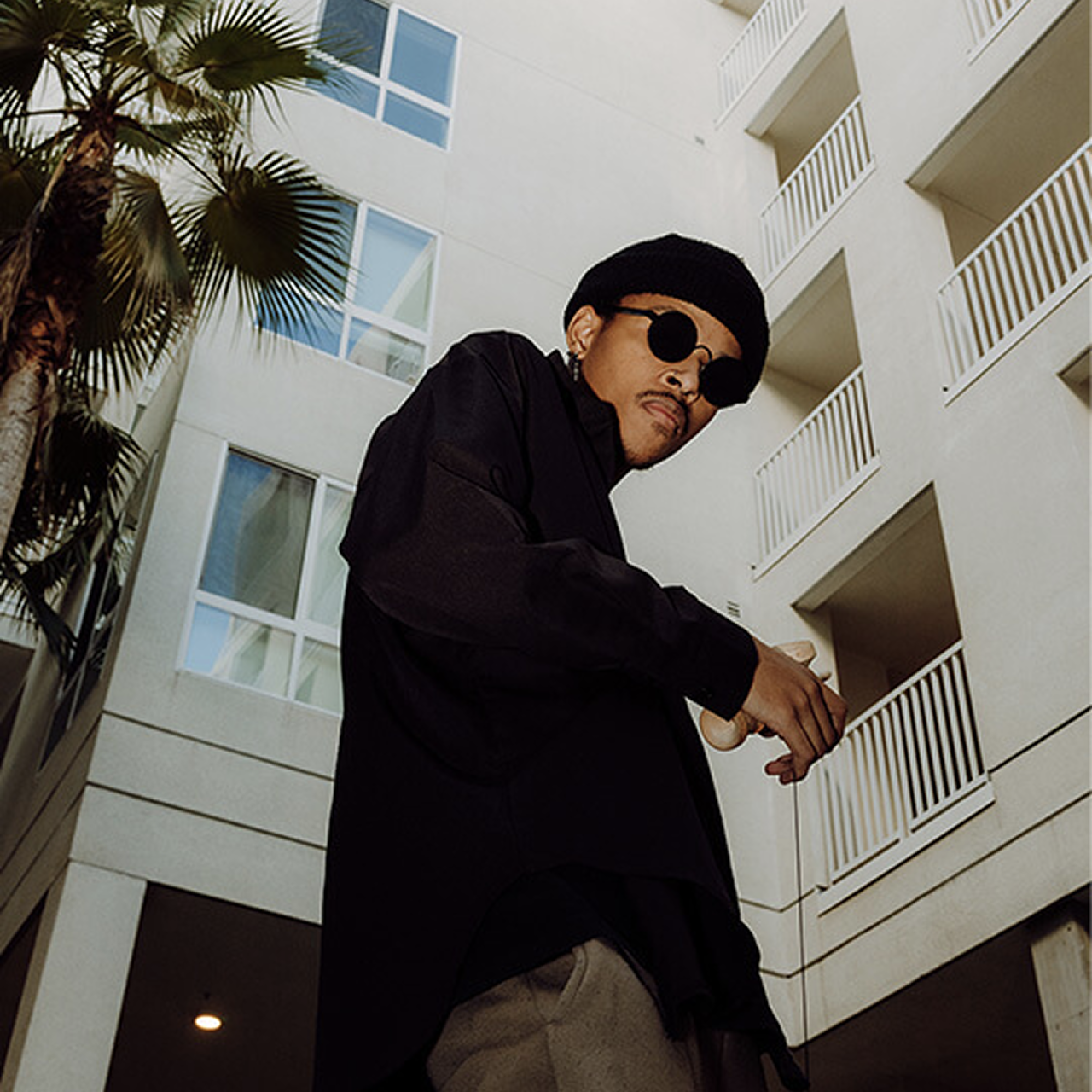
CHEE’s productions are surgical. Dense, technical, and unrelenting. Operating at the darker edge of experimental bass and dubstep, he’s become a reference point for producers who value detail over spectacle.
With appearances at Deadrocks, Lost Lands, and Bass Canyon, CHEE exemplifies a global bass movement that values craft as much as impact.
Nia Archives
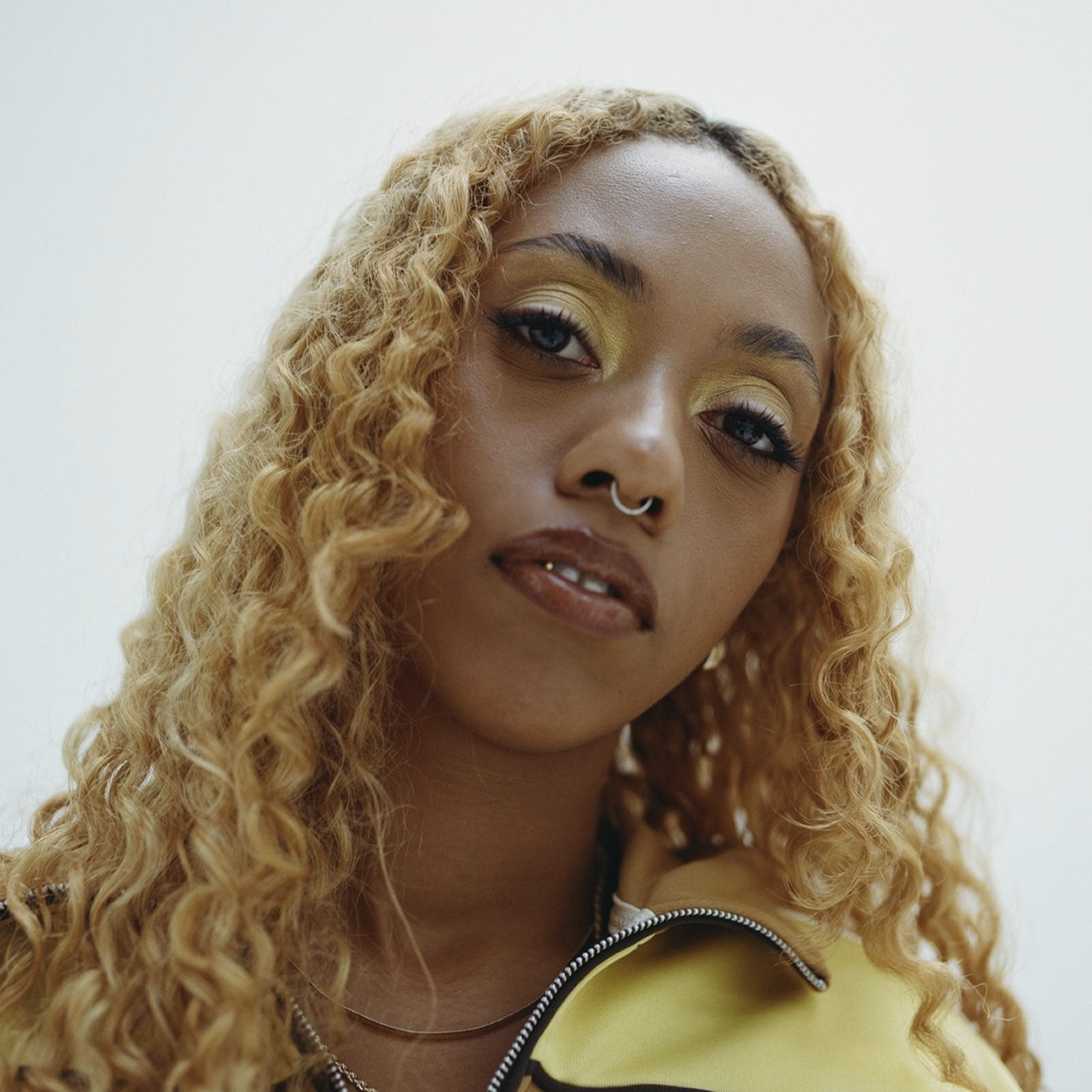
Nia Archives has been instrumental in bringing jungle and drum & bass back into contemporary focus without flattening its history.
Her music balances high-energy breakbeats with a spectacular sense of yearning and vulnerability, making it accessible without diluting its roots.
From underground sets to major festival stages, she represents how bass culture continues to evolve in the public view.
UNIIQU3
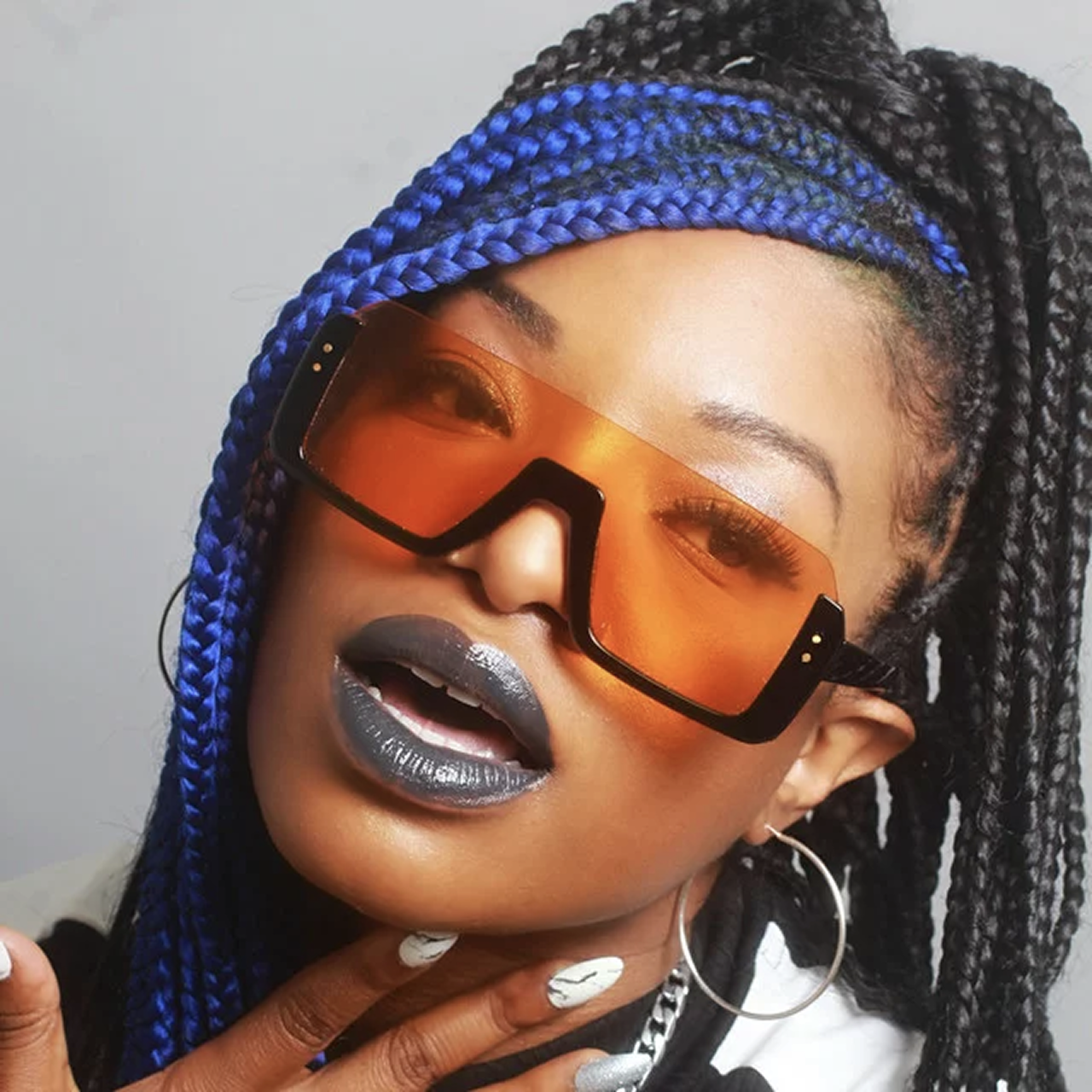
UNIIQU3 has played a crucial role in pushing Jersey Club from regional movement to global force.
Her productions are fast, raw, and unapologetically designed for dance floors. Through festivals, international bookings, and relentless output, she demonstrates how localized club traditions can scale without losing their identity.
The Work Is Ongoing
These artists aren’t echoes of history. They’re active participants in shaping what electronic music becomes next. Across genres, scenes, and geographies, they’re proving that innovation is not a chapter it’s a continuous process that every artist must participate in.
Black history in electronic music isn’t just something to honor.
It’s something happening right now.